← Back to Scholarship Resources
Scholarships in the USA for Students Interested in Dance
Published Apr 16, 2026 · Updated Apr 23, 2026
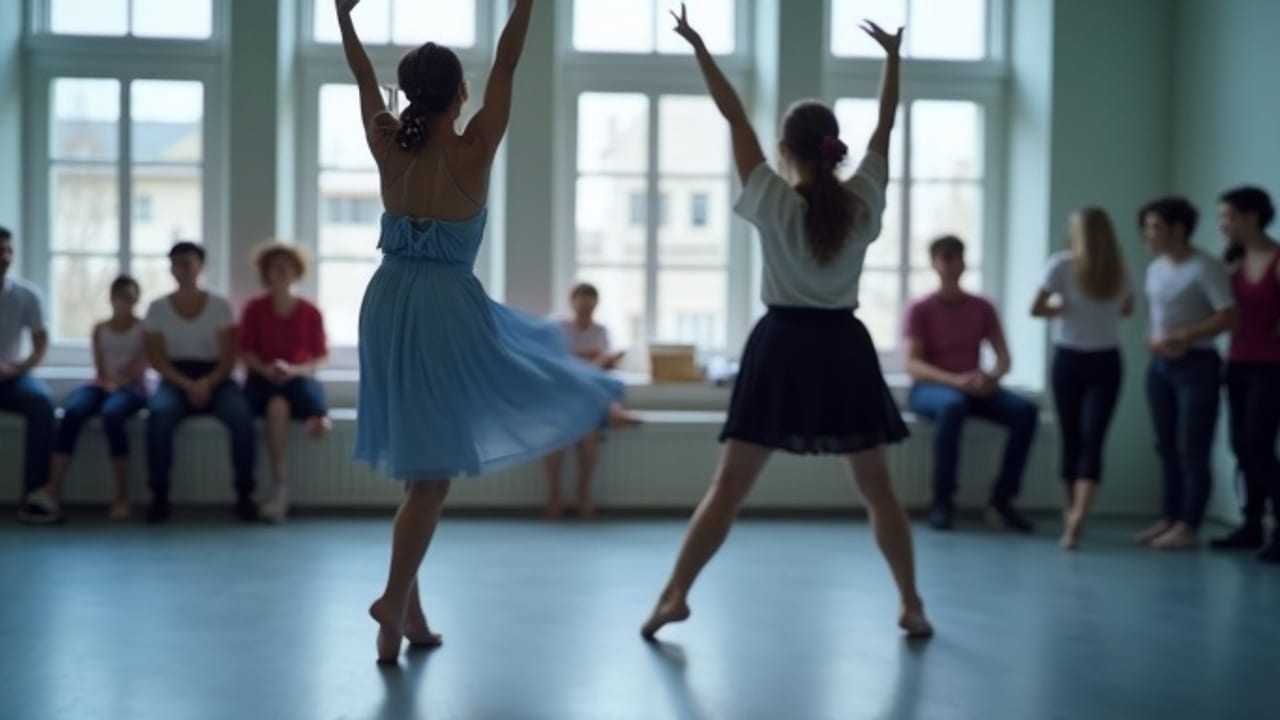
For many students, the biggest obstacle to studying dance in the United States is not talent. It is cost. Tuition at colleges with strong dance programs can be high, and dancers often face extra expenses for auditions, uniforms, shoes, travel, summer intensives, and performance participation. That makes scholarship planning just as important as artistic preparation.
The good news is that scholarships in the USA for students interested in dance come from more than one source. Some are offered directly by college dance departments. Others come through performing arts schools, university talent awards, local community foundations, general arts organizations, and need-based aid packages. Many students also reduce costs by combining dance scholarships USA opportunities with federal aid, institutional grants, and outside awards.
A smart strategy starts with understanding how these awards actually work. Most scholarships for dance students are based on a mix of artistic merit, academics, financial need, residency, and program fit. Some dance major scholarships require a live audition. Others ask for a dance reel, artistic résumé, teacher recommendation, or FAFSA-based need information. If you know what reviewers are looking for, you can make stronger choices and avoid wasting time on poor-fit applications.
Where dance scholarship money usually comes from
A common mistake is searching only for one big national award. In reality, college scholarships for dancers are often built from several smaller sources. Universities may offer talent scholarships through the dance department, academic merit awards through admissions, and need-based grants through the financial aid office. That layered approach can make a private or out-of-state program more affordable than students expect.
Build a smarter scholarship strategy
Take a comprehensive cognitive assessment to see whether your strengths point toward essays, research, deadlines, or fast applications.
Preview report
IQ
--
Type
???
Dance funding can also come from arts councils, local philanthropic groups, and community foundations that support students in a specific city, county, or state. Those awards may be less publicized than national programs, but they can be easier to win because the applicant pool is smaller. Students pursuing performing arts scholarships USA options should also check whether their high school, local studio, or regional arts nonprofit keeps an updated scholarship list.
When comparing colleges, review the official financial aid and department pages carefully. The Federal Student Aid website is also useful for understanding how grants, loans, and work-study may interact with scholarships. For students who want a BFA or BA in dance, the department page on each university's official .edu site often gives the clearest details on auditions, scholarship priority dates, and talent-based awards.
The main types of scholarships for dance students
Students often use the term “dance scholarship” broadly, but the funding categories are different. Understanding the categories helps you target the right applications.
- Departmental talent scholarships: Awarded by a college dance program based on audition results, artistic potential, technique, choreography, or performance quality.
- Academic merit scholarships: Offered by the university for GPA, class rank, standardized scores when required, leadership, or overall academic profile.
- Need-based grants and aid: Based on family finances, often tied to FAFSA or institutional aid forms.
- General arts scholarships: Open to students in dance, theater, music, visual arts, or other creative disciplines.
- Competition- or festival-based awards: Sometimes linked to recognized dance competitions, conventions, or summer intensives.
- Community foundation scholarships: Usually based on local residency, school attended, intended major, or community involvement.
- Identity- or mission-based scholarships: May support first-generation students, underrepresented groups, women, immigrants, or students with a demonstrated service background.
Ballet scholarships USA options may be especially relevant for students training in classical technique, but ballet students should not limit themselves to ballet-only funding. Many broad undergraduate dance scholarships support modern, jazz, choreography, commercial dance, and interdisciplinary movement studies too. A student interested in performance, dance education, or choreography can often qualify for multiple categories at once.
What colleges and dance departments usually look for
Strong dancers do not always submit strong scholarship applications. Reviewers are usually assessing more than technical skill alone. They may look at consistency in training, musicality, physical control, expressive quality, professionalism, coachability, academic readiness, and how well the student fits the department’s style.
For college-based scholarships, the admissions team and dance faculty may review different parts of the application separately. A dance department could love a candidate artistically, while the institution offers additional merit money for GPA and coursework. That is why students pursuing dance school financial aid should treat the academic application as seriously as the audition.
Common materials include:
- Audition registration or prescreen submission
- Dance résumé listing training, performances, repertory, competitions, and teaching experience
- Short personal statement about artistic goals
- Letters of recommendation from dance teachers and sometimes academic teachers
- Transcript and GPA
- FAFSA or CSS Profile when financial need matters
- Headshot or dance photos when requested
If you are applying to U.S. colleges, it also helps to understand the difference between institutional and outside aid. Official information from the U.S. Department of Education can help families understand aid structures, deadlines, and student eligibility basics.
Real scholarship pathways students often overlook
Many dancers focus only on famous conservatories or highly selective BFA programs. That leaves money on the table. Regional public universities, liberal arts colleges with dance programs, and smaller private institutions may offer generous scholarships to recruit talented performers into campus productions and growing arts departments.
Another overlooked path is the community foundation route. These awards may not mention dance in the title, but they can still be used by arts students. Some are open to graduating seniors from a certain county, students with volunteer service, students from public schools, or students pursuing any accredited undergraduate degree. That means a dancer can qualify without the award being dance-specific.
Students should also search for:
- State arts agency opportunities
- Scholarships from local cultural organizations
- Awards connected to summer dance intensives
- University honors college merit awards that can stack with talent aid
- Foundation grants for first-generation or low-income arts students
- General performing arts scholarships USA programs that include dance among eligible disciplines
International applicants should verify whether a school offers talent scholarships regardless of citizenship. Some universities do, while others reserve certain need-based funds for U.S. citizens or eligible noncitizens. For basic immigration and visa planning, students can review official information from the U.S. Department of State student visa resources. This is especially important when evaluating dance scholarships for international students in the USA, since scholarship eligibility and proof-of-funding requirements may interact.
How to build a stronger dance scholarship application
Winning scholarships for aspiring dancers usually depends on preparation months before the deadline. Students who wait until audition season often submit rushed videos, weak essays, and incomplete financial forms.
Use this process to improve your chances:
- Make a college and scholarship spreadsheet. Track audition dates, prescreen deadlines, FAFSA dates, scholarship priority deadlines, residency requirements, and whether separate applications are needed.
- Build a clean artistic résumé. Include training history, performance credits, summer programs, choreography, teaching, leadership, and any awards. Keep the format professional and easy to scan.
- Prepare a polished audition package. If a video is required, follow instructions exactly. Use good lighting, a plain background, and clear labeling. Faculty may reject submissions that ignore format rules.
- Write a focused personal statement. Explain why you want to study dance, what kind of training you are seeking, and how you will contribute to a campus arts community. Specificity is stronger than dramatic language.
- Choose recommenders carefully. Select teachers who can speak to discipline, growth, reliability, and artistic maturity, not just raw talent.
- Do not ignore academics. A stronger GPA can unlock institutional merit awards that combine with dance major scholarships.
- Submit financial aid forms early. Need-based funding is often limited and may be awarded on a first-priority basis.
- Ask each college how awards stack. Some schools allow talent, merit, and need-based funds to combine. Others reduce one form of aid when another increases.
One practical advantage goes to students who can show both artistic commitment and campus value. A dancer who performs, choreographs, maintains solid grades, and contributes to outreach or teaching may look more attractive than a student who relies on talent alone.
Mistakes that cost dancers scholarship money
Students often miss out on college scholarships for dancers because of avoidable errors. The first is assuming that one audition automatically covers all scholarship consideration. At some colleges, admission to the dance program and scholarship review are separate processes. Missing the admissions deadline or FAFSA deadline can reduce aid, even after a successful audition.
The second mistake is applying too narrowly. A modern dancer may skip awards labeled “performing arts,” “creative arts,” or “fine arts” when those categories would accept dance. Likewise, students seeking ballet scholarships USA options may miss broader funding that supports any accredited dance study.
Other common problems include weak communication, poor organization, and unclear materials:
- Submitting a generic essay to every school
- Sending low-quality audition footage
- Forgetting to list leadership, teaching, or choreography experience
- Failing to ask whether scholarships renew annually
- Ignoring GPA minimums for renewal
- Overlooking local scholarships because they seem too small
Small awards matter. A few local scholarships can cover pointe shoes, housing deposits, audition travel, books, or performance fees. They also reduce the amount students need to borrow.
How to compare scholarship offers realistically
The highest scholarship is not always the best deal. Students should compare the full cost of attendance, not just the headline award amount. A $15,000 annual talent scholarship from an expensive private college may still leave a larger gap than a $5,000 award from a lower-cost public university with in-state tuition or additional grants.
When reviewing offers, ask these questions:
- Is the scholarship renewable for four years?
- Does renewal depend on GPA, participation, or jury review?
- Is housing included in the estimated cost?
- Can outside scholarships reduce loans, or will they replace institutional grants?
- Are there separate fees for productions, costumes, accompanists, or travel?
- How much debt would remain after all aid is applied?
This is where a practical financial lens matters. Undergraduate dance scholarships can make training possible, but students should still think long term about graduate debt, injury risk, career flexibility, and access to double-major or minor options.
A smart search strategy for high school students and transfer applicants
High school dancers should start earlier than they think. Junior year is often the right time to identify likely majors, estimate family contribution, and begin researching schools that combine artistic training with realistic affordability. Seniors then have more time to prepare auditions, apply for admissions, and search local and national awards.
Transfer students should ask whether dance credits will transfer cleanly and whether scholarship eligibility changes after first-year entry. Some institutional awards are reserved for incoming freshmen, while others are open to transfer applicants or continuing students already enrolled in a college dance program.
A strong search plan usually includes three lanes:
- Institutional lane: Scholarships offered directly by the college or dance department
- Local lane: Community foundation, high school, studio, city, county, and state awards
- Broad arts lane: General performing arts and creative scholarships that allow dance majors
Students who stay organized and apply across all three lanes usually create the strongest funding mix.
Common questions about dance scholarships in the USA
What types of dance scholarships are available in the USA?
Dance students can find talent-based department awards, academic merit scholarships, need-based grants, community foundation scholarships, and broader performing arts awards. Some scholarships are specific to ballet or dance performance, while others support any arts-related major.
Can high school students apply for dance scholarships before college?
Yes. Many college-based dance scholarships are awarded during the senior year application cycle, and some local or foundation awards are open to graduating high school seniors. Students should begin researching during junior year so they can prepare auditions, essays, and financial aid forms on time.
Are there dance scholarships for international students in the USA?
Yes, but eligibility varies by school and award type. Some U.S. colleges offer talent-based dance scholarships regardless of citizenship, while need-based aid may be more limited for international applicants. Always confirm both scholarship rules and visa-related financial documentation requirements.
Do dance scholarships require auditions or portfolios?
Many do, especially university department awards and performance-based scholarships. Depending on the program, students may need a live audition, prescreen video, dance résumé, personal statement, or choreography sample.
Can students combine dance scholarships with federal financial aid?
Often, yes. Many students stack dance scholarships with Pell Grants, state grants, work-study, and institutional aid when eligible. The final package depends on each college’s policy, so ask how outside awards affect need-based grants and loans.
📌 Quick Summary
- Key Point 1: This guide breaks down the core strategy for Scholarships in the USA for Students Interested in Dance.
- Key Point 2: Paying for dance training in the United States can be difficult, especially when costs include tuition, auditions, performance fees, and living expenses. This practical guide explains real scholarship pathways for dance students, from university talent awards to community foundation funding and general arts scholarships.
- Key Point 3: Explore scholarships in the USA for students interested in dance, including college, performing arts, and merit-based funding options for aspiring dancers.
Continue Reading
- How to Apply for Scholarships — practical steps to organize your application process and avoid rookie mistakes
- Scholarship Deadlines Explained — simple ways to track deadlines and avoid missing key dates
- Can You Combine Multiple Scholarships? — understand how stacking scholarships works and which rules to watch
- Medical Scholarships Guide — practical guidance for healthcare, nursing, pre-med, and public health scholarship searches
- Scholarships for International Students — eligibility and application guidance for international student scholarship searches
Related Scholarships
Real opportunities from our catalog, matched to this article.
Browse the full scholarship catalog — filter by deadline, category, and more.
- NEW
Dr. Stahlman Endowed Fellowship
offers this scholarship to help cover education costs. It is geared toward students attending . Plan to apply by 4/15/2026.
Amount Varies
Award Amount
Apr 15, 2026
deadline passed
None
Requirements
Apr 15, 2026
deadline passed
None
Requirements
Amount Varies
Award Amount