← Back to Scholarship Resources
What Makes a Scholarship Database Trustworthy in 2026?
Published Apr 16, 2026 · Updated Apr 23, 2026
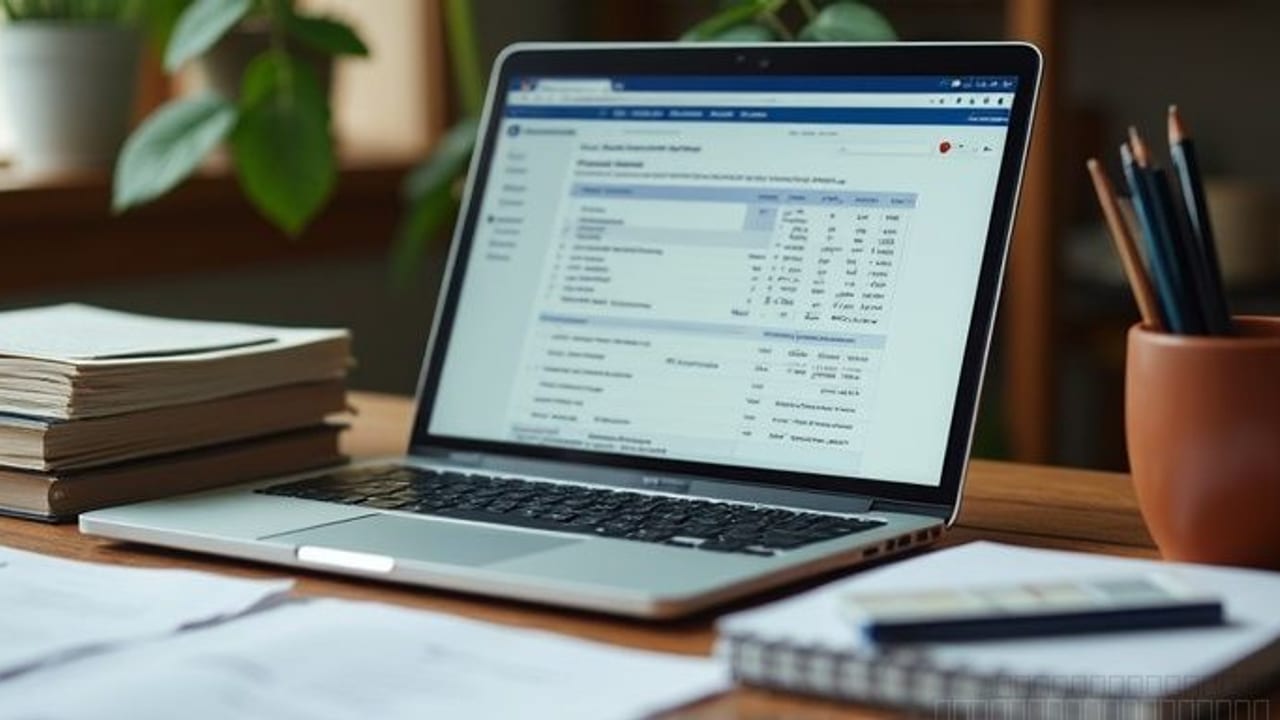
Students searching for aid in 2026 face a strange problem: there are more scholarship listings online than ever, yet many feel harder to trust. Some sites recycle old deadlines, hide sponsor details, collect too much personal data, or push students toward paid offers that do not improve their chances. Others do the opposite: they clearly show who funds the award, when the listing was last checked, what documents are required, and how your information is handled.
That difference matters. A trustworthy scholarship database does more than collect opportunities. It helps students separate real funding from noise, avoid scams, and make faster decisions with better information. If you are wondering what makes a scholarship database trustworthy in 2026, the answer usually comes down to six things: transparency, verification, freshness, privacy, usability, and accountability.
Trust starts with transparency, not flashy design
A polished homepage does not prove credibility. Many questionable platforms look modern, but a trustworthy scholarship database explains where its listings come from and how they are reviewed. If a site does not tell you whether scholarships are submitted by sponsors, scraped from public pages, or manually verified by editors, that is a problem.
Build a smarter scholarship strategy
Take a comprehensive cognitive assessment to see whether your strengths point toward essays, research, deadlines, or fast applications.
Preview report
IQ
--
Type
???
The strongest platforms make their process visible. They identify the scholarship provider, link to the original source when possible, show the deadline, and explain whether the listing was reviewed by a human or updated automatically. They also separate editorial content from sponsored placements. If a scholarship appears because someone paid for visibility, students should be told that clearly.
A legit scholarship database features more than a search bar. It should have an About page, contact details, privacy policy, and terms of use written in plain language. These are basic trust signals. If you cannot tell who runs the site, where it is based, or how to report a suspicious listing, you should be cautious.
The best listings answer the questions students actually have
A reliable database is only as good as the quality of each listing. Thin entries that say “apply now” without explaining eligibility, award amount, renewal terms, or sponsor identity are not enough. A credible scholarship listing should help a student decide quickly whether the opportunity is worth pursuing.
Look for these legit scholarship database features in each entry:
- scholarship sponsor or organization name
- award amount or range
- deadline with year included
- eligibility details such as citizenship, GPA, field, location, and degree level
- application requirements
- selection criteria if available
- official application destination or source reference
- last updated or last verified date
- contact or verification path for the provider
The more specific the listing, the easier it is to evaluate. For example, a scholarship for engineering undergraduates in Texas with a stated $2,500 award, March 15 deadline, and official sponsor page is much easier to trust than a vague “students can win up to $10,000” post with no sponsor name.
This is also where a scholarship website credibility checklist becomes useful. If a listing is missing two or three core details, move on until you can verify it independently.
Update frequency is one of the clearest trust signals in 2026
Outdated listings waste time and can expose students to dead links or recycled scams. One of the biggest signs of a trustworthy scholarship database is how often it updates deadlines, closes expired awards, and flags changed eligibility rules.
Reliable platforms do not just add new scholarships. They maintain old ones. In 2026, students should expect visible timestamps such as “last verified,” “deadline confirmed,” or “application cycle updated.” A database that leaves 2024 or 2025 deadlines live without explanation is showing weak editorial control.
This matters because scholarship programs change often. Sponsors adjust award amounts, switch from essay to video submissions, pause funding for a year, or limit eligibility to certain regions. A good database reflects those changes quickly. If a site claims to have thousands of opportunities but many are expired, that volume is not a benefit.
For students comparing platforms, one practical test is simple: search five random scholarships and check whether the dates, requirements, and sponsor pages match the official source. If several do not, the database may not be reliable enough for serious use.
How to verify scholarship websites before you apply
Even a strong platform should not replace your own review. Students still need safe scholarship search tips because no database is perfect. The smartest approach is to treat the database as a discovery tool and the sponsor source as the final authority.
Use this step-by-step process to check if a scholarship is real:
- Read the full listing carefully. Confirm the sponsor name, award amount, deadline, and eligibility rules. If those basics are missing, stop there.
- Find the original source. Search for the scholarship on the sponsor's official website, ideally a .gov, .edu, or established organizational domain. If the database links directly to the sponsor page, compare the details line by line.
- Check the organization behind the award. Look for a real institutional presence, including staff pages, contact information, and a history of programs or public activity. For education-related context, students can review official resources from the U.S. Department of Education.
- Verify dates and requirements. Make sure the deadline year is current and that the application instructions still work. Broken forms, mismatched dates, or missing criteria are warning signs.
- Review privacy and data requests. A scholarship application may ask for transcripts or essays, but it should not demand unnecessary sensitive information upfront. Be especially careful with Social Security numbers, banking details, or payment requests.
- Look for independent legitimacy signals. If the provider is a university, confirm the award on the institution's official .edu site. If it is an international or development-related program, context from organizations such as UNESCO can help you understand recognized education frameworks and institutional credibility.
- Save evidence before applying. Take screenshots of the listing, deadline, and official page. If details change later, you will have a record.
This process may take a few extra minutes, but it is the best answer to how to verify scholarship websites in a crowded search environment.
Scholarship scam warning signs students should not ignore
Most scam listings follow familiar patterns. They create urgency, promise guaranteed money, or ask for payment before the student can access the application. A trustworthy scholarship database actively filters these out and gives users a way to report them.
Common scholarship scam warning signs include:
- “guaranteed winner” language
- application fees presented as required for access
- requests for bank account details before selection
- no named sponsor or unverifiable organization
- vague eligibility such as “everyone qualifies” with no criteria
- pressure to apply immediately without clear rules
- copied text, grammar issues, or inconsistent deadlines
- forms hosted on suspicious domains unrelated to the sponsor
Students often ask whether legitimate scholarship databases ever charge money. Some platforms charge for premium search tools, but charging for access does not make a site more trustworthy. In fact, if a database suggests that payment increases your odds of winning a scholarship, that is a major red flag. Real scholarship decisions are made by scholarship providers, not search platforms.
A useful comparison is this: a credible database may monetize through ads, subscriptions, or sponsored visibility, but it should disclose that clearly and should never imply that students must pay to be considered for an independent scholarship.
Privacy standards matter as much as listing quality
In 2026, trust is not only about whether a scholarship exists. It is also about what the platform does with your data. Many students create profiles with academic interests, demographic details, income information, and contact data. That makes privacy one of the most important signs of a trustworthy scholarship database.
A safe platform should explain what data it collects, why it collects it, how long it keeps it, and whether it shares that information with third parties. Opt-in communication should be clear. Students should be able to unsubscribe from marketing emails without losing access to saved searches or application tracking.
Good privacy practices include:
- a readable privacy policy
- clear consent for marketing messages
- limited collection of sensitive data
- account deletion options
- secure login and password protections
- visible explanation of third-party sharing
If a database asks for highly sensitive information before you even begin an application, be skeptical. Scholarship matching can usually happen with broad filters like degree level, location, and field of study. It should not require financial account details or identity documents at the browsing stage.
Students who want a broader understanding of digital safety and identity protection can also review public consumer information from official government sources such as U.S. identity theft guidance. While not scholarship-specific, it reinforces what kinds of personal data should be protected online.
What trustworthy databases do better than weak aggregators
Are aggregator scholarship websites safe to use? Some are, but safety depends on standards, not on the aggregator model itself. An aggregator can be useful if it organizes opportunities well and verifies them consistently. Problems start when a site prioritizes quantity over accuracy.
A trustworthy scholarship database usually does five things better than a weak aggregator:
- removes expired listings quickly
- labels sponsored or promoted opportunities
- provides filters that reduce mismatches
- documents verification or editorial review
- offers reporting tools for suspicious entries
Weak sites often flood students with irrelevant results. That is not just annoying; it can lead users to lower their guard and apply to poor-quality listings. Strong platforms help students narrow by degree level, citizenship, location, field, and deadline month so they spend time on realistic opportunities.
This is where best practices for scholarship search 2026 become practical. Use one or two databases for discovery, then verify every serious opportunity at the source. Do not rely on any single platform, no matter how established it looks.
A practical credibility checklist you can use in minutes
When students ask how to check if a scholarship is real, they usually need a fast screening method. The checklist below works well before you invest time in essays or recommendation requests.
Scholarship website credibility checklist
Ask these questions:
- Is the sponsor clearly named? If not, treat the listing as unverified.
- Is the deadline current and specific? Month, day, and year should be visible.
- Does the listing explain eligibility in detail? Broad claims with no criteria are weak signals.
- Is there a last updated or verified date? Freshness matters.
- Can you find the scholarship on the sponsor's official site? This is one of the strongest checks.
- Does the platform disclose ads or sponsored placements? Transparency builds trust.
- Is the privacy policy easy to find and understand? If not, be careful with your data.
- Can users report suspicious listings? Good databases invite accountability.
- Does the site avoid pressure tactics and payment claims? Real opportunities do not need hype.
- Are application instructions consistent across sources? If details conflict, verify before proceeding.
If a platform passes most of these checks consistently, it is likely a trustworthy scholarship database. If it fails several, use it only as a starting point, not as a source of truth.
Why trust affects results, not just safety
Using a credible database is not only about avoiding scams. It also improves outcomes. Students who work from accurate, detailed listings can prioritize better-fit scholarships, prepare stronger applications, and avoid wasting energy on expired or irrelevant awards.
Trust also reduces decision fatigue. When a platform gives clean filters, current deadlines, and realistic eligibility signals, students can build a smarter application calendar. That means more time for essays, recommendations, and document prep instead of chasing questionable leads.
For families, counselors, and adult learners, this matters even more. A reliable scholarship database supports planning. It helps users compare opportunities, understand renewal terms, and avoid the emotional cost of false hope created by misleading listings.
Common questions students ask before trusting a platform
How can I tell if a scholarship database is trustworthy?
A trustworthy scholarship database shows who runs the platform, how listings are sourced, when entries were last updated, and how users can report problems. It also provides clear privacy policies and enough listing detail to verify opportunities at the sponsor source.
What are the biggest red flags on scholarship websites?
The biggest red flags are payment demands, guaranteed award claims, missing sponsor information, outdated deadlines, and requests for sensitive personal data too early in the process. Poor grammar and broken application links can also signal weak quality control.
How often should a reliable scholarship database update its listings?
There is no single rule, but active databases should review listings regularly and clearly mark when they were last verified. During peak scholarship cycles, students should expect current-year deadlines and quick removal or labeling of expired opportunities.
What information should a credible scholarship listing include?
At minimum, it should include the sponsor name, award amount, deadline, eligibility criteria, application requirements, and a path to the official source. A last updated date and contact or verification route make the listing even stronger.
What privacy practices should a trustworthy scholarship database follow?
It should collect only necessary information, explain how data is used, offer consent controls for marketing, and let users manage or delete their accounts. Secure login protections and clear third-party sharing disclosures are also important.
📌 Quick Summary
- Key Point 1: This guide breaks down the core strategy for What Makes a Scholarship Database Trustworthy in 2026?.
- Key Point 2: Students have more scholarship search tools than ever, but more listings do not always mean better or safer options. A trustworthy scholarship database in 2026 stands out through transparent sourcing, current deadlines, clear eligibility rules, strong privacy practices, and visible scam prevention signals. Knowing how to verify scholarship websites can save time, protect personal data, and help students focus on real opportunities.
- Key Point 3: Learn how to evaluate a scholarship database in 2026. Discover the key trust signals, scam warning signs, verification steps, and features that make scholarship search platforms credible and safe.
Continue Reading
- How to Apply for Scholarships — practical steps to organize your application process and avoid rookie mistakes
- Scholarship Deadlines Explained — simple ways to track deadlines and avoid missing key dates
- Can You Combine Multiple Scholarships? — understand how stacking scholarships works and which rules to watch
- Medical Scholarships Guide — practical guidance for healthcare, nursing, pre-med, and public health scholarship searches
- Scholarships for International Students — eligibility and application guidance for international student scholarship searches
Related Scholarships
Real opportunities from our catalog, matched to this article.
Browse the full scholarship catalog — filter by deadline, category, and more.
- NEW
Dr. Stahlman Endowed Fellowship
offers this scholarship to help cover education costs. It is geared toward students attending . Plan to apply by 4/15/2026.
Amount Varies
Award Amount
Apr 15, 2026
deadline passed
None
Requirements
Apr 15, 2026
deadline passed
None
Requirements
Amount Varies
Award Amount