в†ђ Back to Scholarship Resources
Scholarships in the USA for Graduate Students Who Are Nurses: Real Funding Options
Published Apr 14, 2026 В· Updated Apr 23, 2026
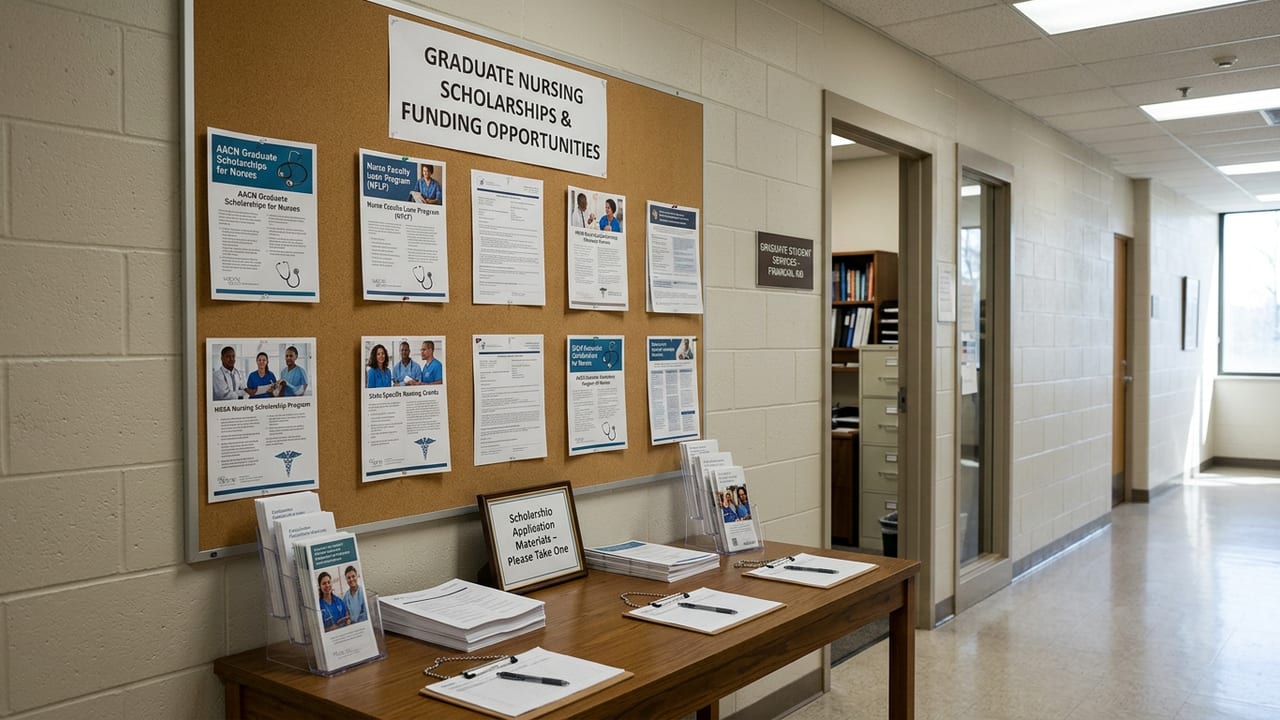
Paying for graduate nursing school is often harder than getting admitted. Many nurses are balancing shift work, family costs, licensing expenses, and rising tuition at the same time they are trying to move into advanced practice, leadership, education, or research roles. That is why searching for scholarships in the usa for graduate students who are nurses needs to be practical, targeted, and based on real funding sources rather than vague scholarship lists.
The good news is that legitimate funding does exist for MSN, DNP, PhD in Nursing, and nurse practitioner pathways. The challenge is understanding which opportunities are true scholarships, which are grants, which are service-based programs, and which are really employer benefits or loan repayment programs. If you know how to separate those categories and match them to your degree plan, your odds of reducing out-of-pocket costs improve a lot.
What actually counts as funding for graduate nursing school?
Not every program that helps with tuition is a scholarship, and that distinction matters. A scholarship usually does not need to be repaid and may be based on merit, need, specialty, leadership, background, or service goals. Grants are also typically non-repayable, but they may be tied to financial need, institutional aid formulas, or public funding rules. Fellowships are more common in doctoral study and may include tuition support, stipends, and research or teaching expectations.
Build a smarter scholarship strategy
Take a comprehensive cognitive assessment to see whether your strengths point toward essays, research, deadlines, or fast applications.
Preview report
IQ
--
Type
???
Then there are service-based programs and employer benefits. For example, some federal and workforce programs help future nurses by paying tuition or assisting later through service commitments in shortage areas. Loan repayment is different from a scholarship because you usually borrow first and get help after working in an eligible role. Tuition reimbursement from a hospital or health system is also different because it is often tied to continued employment, grade requirements, and annual caps. To understand federal nursing workforce support, it helps to review the HRSA Nurse Corps Scholarship Program information directly.
Where real graduate nursing funding usually comes from
Most nursing graduate scholarships USA applicants find money from five main sources: nursing schools, federal workforce programs, national nursing organizations, state workforce initiatives, and employers. University nursing schools often have the most relevant scholarships because they are designed for admitted students in specific tracks such as family nurse practitioner, nurse educator, or DNP leadership. These awards may be funded by alumni, endowments, or health partners.
Professional associations can also be valuable, especially for specialty pathways. Some graduate students pursue AACN nursing scholarships, while others look at specialty organizations connected to oncology, pediatrics, critical care, public health, or advanced practice. In addition, public workforce support may be available through state shortage-area initiatives or public university systems. If you are still comparing graduate pathways, official degree information from a school of nursing, such as graduate nursing program descriptions at Johns Hopkins School of Nursing, can help you identify which funding categories fit your intended role.
A step-by-step way to find scholarships that fit your nursing path
Looking randomly wastes time. Use a narrower process based on your licensure, degree level, specialty, and work setting.
- Define your degree target clearly. Are you seeking an MSN, post-master's certificate, DNP, or PhD in Nursing? Funding rules often differ by degree level. Many master's in nursing scholarships USA opportunities do not apply to doctoral students, and vice versa.
- List your practice goal. Scholarships for nurse educator, psychiatric-mental health NP, rural health, primary care, public health, and diversity-focused leadership can all have different criteria. This is especially important for nurse practitioner scholarships USA and specialized DNP support.
- Check your school first. Once admitted, review the nursing school financial aid page, graduate assistantship options, donor-funded awards, and any separate application deadlines. Many students miss school-based funding because they assume the FAFSA alone is enough.
- Review federal and service-based options. The HRSA nurse corps scholarship is one of the best-known nursing workforce funding routes, but it comes with service obligations and specific eligibility rules. Read official program details carefully before applying.
- Search professional associations by specialty. If you are becoming an NP, nurse leader, educator, or researcher, your specialty organization may offer small-to-mid-sized awards that stack well with other aid.
- Ask your employer about tuition support. Hospitals, large health systems, VA-related employers, and community health employers may offer reimbursement, scholarships, or pathway-based support tied to retention.
- Build a deadline tracker. Graduate nursing aid often closes earlier than students expect. Keep one spreadsheet with amount, deadline, required documents, recommendation needs, and whether the award can be combined with other aid.
This process works because it narrows the search to realistic categories. Instead of looking for one large full-ride scholarship, most nurses build a package using school aid, one or two external awards, and employer support.
Scholarships and programs graduate nursing students should evaluate carefully
For students looking for scholarships for graduate nursing students, the strongest starting points are institutional scholarships at accredited nursing schools, national nursing organization awards, and workforce-based support tied to shortage areas. The American Association of Colleges of Nursing is often relevant because many graduate nursing schools are member institutions, and applicants may encounter AACN-promoted opportunities or school-based awards through that network.
The Nurse Corps Scholarship Program deserves special attention because many nurses ask whether it applies to graduate study. It may support eligible nursing education pathways, but availability, covered program types, and service conditions can change. Applicants should verify current rules only through official HRSA sources. Likewise, state programs may offer aid for students who commit to work in rural, public, or underserved settings after graduation.
If you are pursuing doctoral study, DNP scholarships USA and PhD funding may look different from MSN funding. DNP students may find more tuition-focused scholarships, while PhD in Nursing applicants may be more likely to encounter fellowships, stipends, or assistantships tied to research and teaching. To compare costs and federal student aid basics, the official U.S. Federal Student Aid website is a useful reference alongside nursing-specific scholarship searches.
Common eligibility rules that shape your options
Graduate nursing funding is rarely open to every applicant. Citizenship or eligible noncitizen status is common in federally funded programs. Some awards require U.S. licensure as an RN, while others allow entry-level graduate nursing students who are on a professional pathway but not yet advanced practice licensed. Many university scholarships require enrollment in a certain number of credits or admission to a specific nursing track.
Service commitments are another major factor. A scholarship may look generous, but it may require work in a critical shortage facility, rural clinic, faculty role, or medically underserved area after graduation. That can be a strong fit if it aligns with your goals, but it is not “free money” in the broad sense. Applicants should also watch for criteria tied to GPA, leadership, financial need, residency, underrepresented backgrounds, military affiliation, or intended specialty.
This is why scholarships for registered nurses pursuing graduate degrees should be sorted into buckets: no-strings scholarships, service-based scholarships, institution-only awards, and employer-linked benefits. Once those categories are clear, it becomes easier to judge the real value of each offer.
Documents that make or break a nursing scholarship application
Strong applicants usually submit the same core documents repeatedly, but with tailored language. Start by preparing these items early:
- Current resume or CV with RN licensure, certifications, roles, and leadership
- Unofficial and official transcripts
- Personal statement tailored to nursing goals
- Proof of admission or enrollment in an eligible graduate program
- FAFSA or financial need documents when required
- RN license verification and, if relevant, APRN pathway details
- Two or three recommendation letters from supervisors, faculty, or clinical leaders
- Short responses about service, community impact, specialty interest, or shortage-area commitment
The biggest mistake is submitting a generic essay. Reviewers want to see why your path matters. A good application explains what role you are preparing for, why that role matters in your community, and how the scholarship will reduce barriers to completion. For example, an applicant for scholarships for MSN students in primary care should not send the same statement used for a nursing leadership scholarship.
Recommendations matter more than many nurses expect. A generic “hard worker” letter is weak. A stronger recommender gives concrete examples of clinical judgment, leadership under pressure, mentorship, quality improvement work, patient advocacy, or commitment to underserved populations.
How working nurses can improve their odds of getting funded
Many applicants are qualified, but only some present a persuasive case. The first advantage working nurses have is real-world experience. Use it. If you have led precepting, safety projects, patient education, committee work, or equity initiatives, those examples make your application more credible than broad statements about wanting to help people.
A second advantage is alignment. Match your story to the scholarship's purpose. For graduate nursing financial aid USA options tied to shortage areas, emphasize service history, language skills, community ties, and your realistic plan to work where the need is highest. For university awards, show fit with the program mission. For doctoral pathways, demonstrate research or systems-level impact.
A few practical tips help consistently:
- Apply early, especially for school-based aid.
- Reuse a core essay, but customize the first and last third.
- Quantify your impact when possible: patient volume, initiative outcomes, committee leadership, training hours, or retention improvements.
- Mention both immediate degree goals and long-term workforce contribution.
- Ask recommenders at least three to four weeks ahead.
- Proofread for clinical accuracy, degree names, and scholarship-specific details.
For broader scholarship strategy, readers may also benefit from resources on application quality, deadlines, and stacking awards.
Do not overlook employer, union, and hospital tuition support
A lot of nurses focus only on external scholarships and miss funding already connected to their job. Large health systems may reimburse part of tuition each term, support specialty certification, or offer career-ladder scholarships for employees entering advanced practice or leadership programs. Academic medical centers sometimes have stronger benefits for employees attending partner universities.
This category may not technically be a scholarship, but it can reduce costs just as effectively. Ask your HR department specific questions: Is there annual tuition reimbursement? Is there a work commitment after each payment? Are there approved schools only? Can reimbursement be combined with external scholarships? Can PRN or part-time staff qualify? Unionized workplaces may also have education funds or negotiated tuition benefits. For many nurses, the best financial package is a mix of one internal employer benefit plus one school-based scholarship and federal aid.
Questions nurses should ask before accepting funding
Before saying yes to any award, read the conditions carefully. Does the money reduce billed tuition directly, or is it paid later as reimbursement? Is it renewable? Can it be combined with grants or outside scholarships? Are there credit-hour or GPA requirements every term? If your program changes from MSN to DNP, do you lose eligibility?
Also ask what happens if your work setting changes, your schedule slows, or you take a leave of absence. This is especially important for service-based programs and employer support. A $10,000 award with strict repayment penalties can be less flexible than a smaller unrestricted scholarship. Nurses returning to school often need funding that works with real-life interruptions, not just ideal plans.
FAQ: graduate nursing scholarships in the USA
What scholarships in the USA are available for graduate students who are nurses?
Graduate nursing students may find funding through university nursing schools, federal workforce programs, professional nursing associations, state shortage-area initiatives, and employer tuition support. The best options depend on your degree path, specialty, residency, and whether you are open to a service commitment after graduation.
Can registered nurses get scholarships for MSN or DNP programs?
Yes. Many scholarships for graduate nursing students are designed specifically for licensed RNs moving into MSN, DNP, or nurse practitioner training. School-based awards are especially common, and some employers also help RNs who stay within the organization while studying.
Does the Nurse Corps Scholarship Program cover graduate nursing students?
It can apply to certain eligible nursing education pathways, but applicants should verify the current rules directly through official HRSA materials. Program scope, eligibility, and service obligations may change, so it is important not to rely on outdated summaries.
Are there scholarships for nurse practitioner students in the USA?
Yes. Some universities, workforce programs, and specialty-focused organizations support NP students, particularly in primary care and underserved communities. Availability varies by population focus, specialty track, and whether the program leads to an eligible advanced practice role.
How can graduate nursing students improve their scholarship applications?
The strongest applications are specific, mission-aligned, and supported by concrete examples from clinical practice. Tailored essays, detailed recommendations, and a clear explanation of how your graduate degree will address workforce or patient-care needs can make a real difference.
📌 Quick Summary
- Key Point 1: This guide breaks down the core strategy for Scholarships in the USA for Graduate Students Who Are Nurses.
- Key Point 2: Graduate nursing school in the U.S. can be expensive, especially for working RNs moving into MSN, DNP, PhD in Nursing, or nurse practitioner tracks. This practical guide breaks down real funding options, including AACN opportunities, HRSA programs, university aid, employer tuition support, and professional association awards.
- Key Point 3: Explore real scholarships in the USA for nurses pursuing graduate degrees, including MSN, DNP, and nurse practitioner programs, plus tips on eligibility and applications.
Continue Reading
- How to Apply for Scholarships — practical steps to organize your application process and avoid rookie mistakes
- Scholarship Deadlines Explained — simple ways to track deadlines and avoid missing key dates
- Can You Combine Multiple Scholarships? — understand how stacking scholarships works and which rules to watch
- Medical Scholarships Guide — practical guidance for healthcare, nursing, pre-med, and public health scholarship searches
- Scholarships for International Students — eligibility and application guidance for international student scholarship searches
Related Scholarships
Real opportunities from our catalog, matched to this article.
Browse the full scholarship catalog — filter by deadline, category, and more.
- NEW
CastleBranch Educator Scholarship for Academic Progression
offers this scholarship to help cover education costs. It is geared toward students attending . The listed award is $5,000. Plan to apply by June 1, 2026.
$5,000
Award Amount
Jun 1, 2026
33 days left
5 requirements
Requirements
Jun 1, 2026
33 days left
5 requirements
Requirements
$5,000
Award Amount
MedicineFew RequirementsUndergraduatePhDCommunity CollegeGraduateGPA 2.0+ - NEW
Scholarship
offers this scholarship to help cover education costs. It is geared toward students attending . The listed award is $5,000. Plan to apply by May 15, 2026.
$5,000
Award Amount
May 15, 2026
16 days left
6 requirements
Requirements
May 15, 2026
16 days left
6 requirements
Requirements
$5,000
Award Amount
EducationMedicineFew RequirementsGraduatePhDGPA 2.0+ - NEW
Rose Shumaker Scholarship
offers this scholarship to help cover education costs. It is geared toward students attending . The listed award is $500. Plan to apply by June 15, 2026.
$500
Award Amount
Jun 15, 2026
47 days left
3 requirements
Requirements
Jun 15, 2026
47 days left
3 requirements
Requirements
$500
Award Amount
MedicineFew RequirementsGraduateGPA 2.0+KSKansas