← Back to Scholarship Resources
Grants for School Students in the USA for International Exchange: Real Funding Options
Published Apr 16, 2026 · Updated Apr 23, 2026
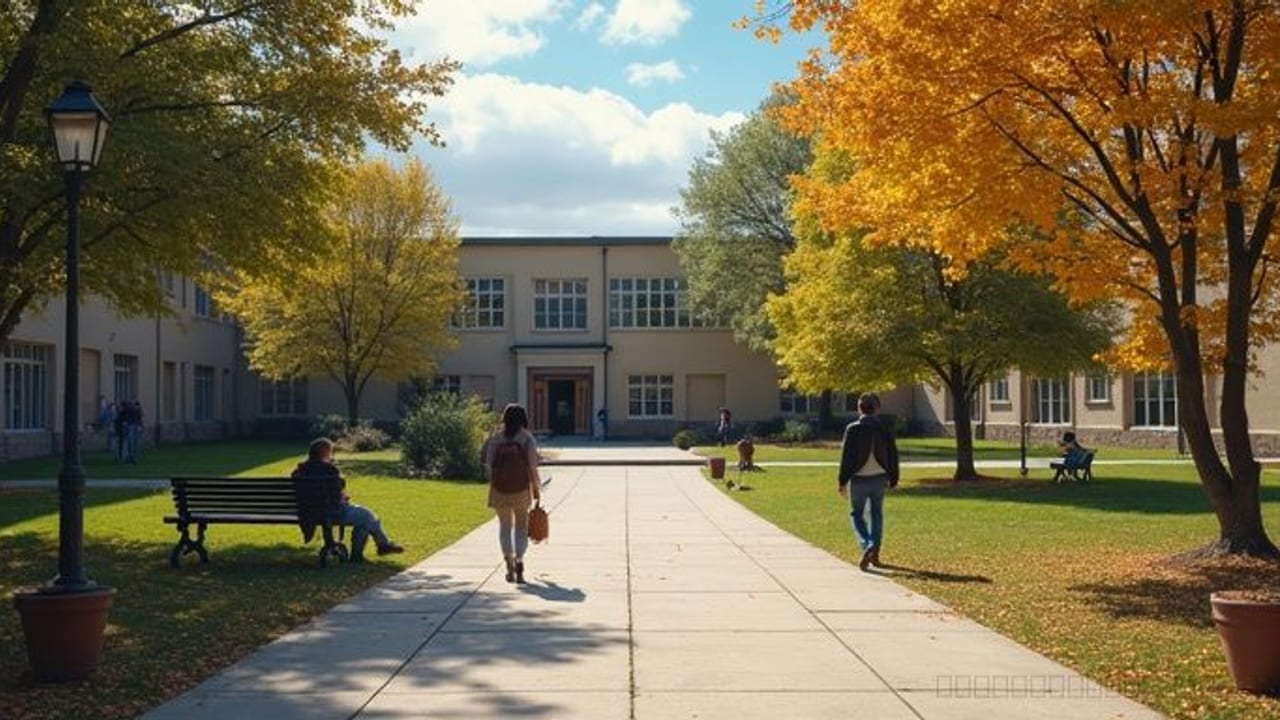
Maya had the grades, the curiosity, and a passport application half-finished on the kitchen table. What she did not have was a family budget that could easily absorb airfare, insurance, program fees, and months abroad. That is the reality for many teens searching for grants for school students in the USA for international exchange: the interest is real, but the funding path is often confusing.
The first thing families should know is simple but important. Most exchange funding is not a general cash grant you can spend anywhere. Instead, it is usually attached to a specific program, destination, or sponsor. That means the smartest search is not “free money for travel” but “which exchange programs already include scholarships, fee waivers, or full funding?” Once you understand that, the landscape becomes much clearer.
What counts as real exchange funding for school students?
For secondary school students, funding usually falls into three categories: fully funded national programs, partial scholarships from exchange organizations, and local support from clubs, schools, or community groups. Fully funded options are the most competitive, but they can cover major costs such as tuition, travel, housing, meals, insurance, and cultural programming. Partial awards reduce program fees but may still leave families responsible for flights, visas, or personal spending.
Build a smarter scholarship strategy
Take a comprehensive cognitive assessment to see whether your strengths point toward essays, research, deadlines, or fast applications.
Preview report
IQ
--
Type
???
This distinction matters because many searches for grants for international exchange students in American schools mix together very different opportunities. A government-backed program for US citizens is not the same as a discount offered by a private exchange provider. Families should read every funding page closely and check whether the award covers only tuition, only program fees, or the full exchange package.
A useful starting point is to review official government information on youth exchange and study abroad through sources such as the U.S. State Department study abroad resources. For students interested in language-focused programs, official program pages matter even more because eligibility and coverage can change by year.
Who can qualify: US citizens, permanent residents, and international students in US schools
Eligibility is where many students lose time. Some of the best-known youth exchange scholarships USA students talk about are limited to US citizens. Others may accept permanent residents, and some private organizations may consider students based on school enrollment, financial need, or destination choice rather than citizenship alone.
Here is the practical breakdown:
- US citizens: Usually have access to the widest range of fully funded national programs, including the NSLI-Y scholarship and the Congress-Bundestag Youth Exchange scholarship.
- Permanent residents: May qualify for some organization-based scholarships, but not always for federally supported or congressionally backed programs.
- International students enrolled in US schools: Often face the narrowest set of options. They may be eligible for grants for international exchange students in American schools only when a private exchange provider, host school, or local sponsor allows it.
That is why students should never assume that attending a US high school automatically makes them eligible for US-funded exchange awards. Check citizenship rules, age limits, grade level, destination restrictions, and whether prior travel or language study affects eligibility. If the program page says “US citizen only,” school enrollment in the USA does not override that rule.
The strongest fully funded options to know first
If you want the most credible student exchange grants for secondary school students, start with nationally recognized programs that publish clear eligibility and benefits.
NSLI-Y scholarship
The NSLI-Y scholarship is one of the best-known fully funded opportunities for US high school students. It supports overseas language learning in critical languages and is funded by the U.S. government. Depending on the year and destination, it may cover travel, tuition, housing, meals, and structured program support. The official program is administered under the U.S. Department of State, and students should always verify details through the official NSLI-Y program website.
This is not a general study abroad grant for any country you choose. It is a program-specific award with designated languages and locations. Students who fit the mission well, especially those showing curiosity about language learning and cultural exchange, often have a stronger case than students who submit a generic travel essay.
Congress-Bundestag Youth Exchange scholarship
The Congress-Bundestag Youth Exchange scholarship is another major name in high school exchange program scholarships USA families should know. CBYX is a bilateral exchange between the United States and Germany. For eligible US students, it can be a fully funded year abroad that includes travel and living arrangements through the program structure.
Because CBYX is tied specifically to Germany, it is ideal for students who want a long-form academic and cultural exchange rather than a short summer experience. Official background on this exchange can be found through the German Bundestag CBYX information page. Students should pay close attention to regional administering organizations and deadlines, since those can shape the application process.
Partial scholarships from exchange organizations: useful, but read the fine print
Not every family will land a fully funded national award, and that is where organization-based funding becomes important. These awards can still make scholarships for high school study abroad from the USA realistic, especially when combined with local fundraising or school support.
AFS scholarships for high school students
AFS scholarships for high school students are among the most visible program-based options. AFS often offers scholarships that vary by destination, financial need, demographics, and program type. Some are substantial; others are partial discounts. Availability can change from cycle to cycle, so families should not rely on old blog posts or forum comments.
The key point is that AFS funding is not always universal across every destination. A student may find strong support for one country and little or none for another. Need-based applicants should prepare financial documentation early, because partial awards can move quickly and may be tied to specific application windows.
Rotary Youth Exchange scholarships and local club support
Rotary Youth Exchange scholarships are often misunderstood. Rotary Youth Exchange itself is a respected exchange pathway, but funding is usually handled locally rather than through one national scholarship model. Some Rotary districts or clubs provide significant support, while others expect families to cover a larger share of costs.
That means “Are Rotary Youth Exchange programs fully funded?” does not have one universal answer. In some communities, Rotary support can be generous enough to make the exchange close to fully funded. In others, it may be partial or limited to certain expenses. Students should contact the relevant district early and ask for a written breakdown of what is covered.
How to build a realistic funding plan if you are not fully funded
Many successful exchange students piece together funding from more than one source. That can include a program scholarship, a local civic grant, school-based travel support, and family contribution. If you are looking for funding for school student exchange programs, think in layers rather than in a single miracle award.
A realistic plan often includes:
- Program-specific scholarship application
- Need-based aid request
- Support letters from teachers or counselors
- Local civic organizations such as Rotary clubs, education foundations, or cultural societies
- School fundraising approval, if allowed
- Personal savings for passport, visa, or spending money
Before combining awards, students should confirm whether stacking is allowed. Some programs reduce their own grant if outside funding comes in, while others welcome it. Families who want to understand this issue better can review related guidance on combining awards through the site’s scholarship FAQ resources.
A step-by-step application strategy that actually helps
Strong applicants do not just apply widely; they apply precisely. Use this process to improve your odds.
- Match yourself to the right program type. If you want a language-intensive experience, prioritize NSLI-Y. If Germany is your target and you want a longer exchange, prioritize CBYX. If you are flexible on destination, look closely at AFS scholarship availability.
- Check eligibility before writing anything. Confirm citizenship, age, grade level, GPA expectations, and passport timing. This prevents wasted effort on programs you cannot legally enter.
- Build one master application folder. Include transcripts, activity lists, family financial documents, passport status, recommendation contacts, and a resume of service, leadership, and cultural interest.
- Write essays that fit the mission. Exchange programs are not only funding academic excellence. They want maturity, adaptability, curiosity, and the ability to represent your community well.
- Ask for recommendations early. Teachers and counselors write stronger letters when they have time and understand the program’s purpose.
- Prepare for interviews like a cultural ambassador. Practice answering why you want the exchange, how you handle discomfort, and what you would contribute to a host community.
- Track deadlines on a calendar. Some top programs close months before travel begins. Missing the deadline by even one day usually ends the opportunity.
Students who need more process help may benefit from reading internal resources on application planning and deadline management before the exchange cycle gets busy.
Documents you will usually need
Most student exchange grants for secondary school students require more paperwork than families expect. The exact list varies, but several items appear again and again.
Common requirements include:
- Completed application form
- School transcript or grade report
- Short essays or personal statements
- Recommendation letters from teachers, counselors, or community leaders
- Proof of citizenship or residency status
- Parent or guardian consent forms
- Financial information for need-based review
- Interview participation
- Medical forms after selection
The biggest mistake is waiting until the final week to gather documents. Recommendation letters, tax documents, and school records often take longer than students assume. If you are applying to multiple programs, keep a spreadsheet with each requirement and due date.
Common mistakes that hurt scholarship chances
A surprising number of good students weaken their applications by sounding too tourist-focused. Exchange funders are not paying for a vacation. They are investing in cultural learning, language development, mutual understanding, and student maturity.
Other frequent mistakes include applying to programs without reading the eligibility rules, submitting generic essays, ignoring financial aid instructions, and failing to explain why a specific destination or program fits their goals. For AFS scholarships for high school students and other private exchange awards, another mistake is assuming all destinations are funded equally. They are not.
Students can improve their chances by showing three things clearly: why they fit the program, how they will handle challenge, and what they will bring back to their school or community after the exchange.
Questions families ask most often
Are there grants for high school students in the USA to join international exchange programs?
Yes, but many are program-specific rather than open cash grants. The strongest examples include fully funded or heavily subsidized opportunities such as NSLI-Y and CBYX, plus partial scholarships from organizations like AFS and some Rotary districts.
Can international students in US schools apply for exchange program funding?
Sometimes, but eligibility is narrower. Many government-backed programs are limited to US citizens, while private exchange organizations may have more flexible rules depending on destination, school status, and funding source.
Does NSLI-Y cover travel and program costs for US high school students?
In general, NSLI-Y is known as a fully funded program for eligible participants, often covering major costs such as travel, housing, and program expenses. Students should still verify the current year’s terms on the official program page because details can change.
What is the Congress-Bundestag Youth Exchange scholarship?
CBYX is a US-Germany exchange supported through a bilateral partnership. For eligible US high school students, it can provide a funded academic-year exchange in Germany through designated administering organizations.
How can school students improve their chances of winning an exchange scholarship?
They should apply only where they clearly meet eligibility, tailor essays to the mission, gather strong recommendations, and show maturity, adaptability, and genuine cultural interest. A focused application beats a rushed generic one almost every time.
Final word: focus on verified routes, not vague promises
The best path to grants for school students in the USA for international exchange is usually not a giant scholarship database search. It is a targeted review of real, named programs with published eligibility and clear funding terms. Start with fully funded national options if you qualify, then widen to AFS, Rotary, and local support if you need a layered plan.
Families who stay organized, verify every rule, and apply early are in a much better position than those chasing vague “study abroad grants” with no program attached. For most students, the winning strategy is not luck. It is matching the right exchange to the right funding source and presenting a thoughtful application.
📌 Quick Summary
- Key Point 1: This guide breaks down the core strategy for Grants for School Students in the USA for International Exchange.
- Key Point 2: Real funding for secondary school exchange is usually tied to specific programs, not open-ended cash awards. This guide explains verified options for US-connected students, including fully funded national programs like NSLI-Y and CBYX, plus partial scholarships from AFS and Rotary support at the local level.
- Key Point 3: Explore real grants, scholarships, and funded exchange programs for school students in the USA, including merit-based, need-based, and government-supported options.
Continue Reading
- How to Apply for Scholarships — practical steps to organize your application process and avoid rookie mistakes
- Scholarship Deadlines Explained — simple ways to track deadlines and avoid missing key dates
- Can You Combine Multiple Scholarships? — understand how stacking scholarships works and which rules to watch
- Medical Scholarships Guide — practical guidance for healthcare, nursing, pre-med, and public health scholarship searches
- Scholarships for International Students — eligibility and application guidance for international student scholarship searches
Related Scholarships
Real opportunities from our catalog, matched to this article.
Browse the full scholarship catalog — filter by deadline, category, and more.
- NEW
Dr. Stahlman Endowed Fellowship
offers this scholarship to help cover education costs. It is geared toward students attending . Plan to apply by 4/15/2026.
Amount Varies
Award Amount
Apr 15, 2026
deadline passed
None
Requirements
Apr 15, 2026
deadline passed
None
Requirements
Amount Varies
Award Amount